Youth Empowerment and Development

Youth Empowerment and
Development

Supports youth entrepreneurship through policy creation, funding management, business incubation, and creating economic opportunities for youth in various sectors

Youth Service in Zimbabwe

Youth Service in
Zimbabwe

Encourages national identity and civic responsibility among youth through career guidance, training programs, and public-private partnerships, facilitating placements in government and education.

Vocational Training and Skills Development

Vocational Training and Skills Development

Provides youth with technical and entrepreneurial skills through vocational training, public-private partnerships, and curriculum development to improve employability and self-sufficiency.

Business Development

Business
Development

Focuses on youth entrepreneurship by developing policies, providing technical support, creating business hubs, and establishing public-private partnerships for youth empowerment.

Ministry Core Values
OVERALL PURPOSE

Ministry Core Values

The Ministry Core Values exist to define how we work and serve. They set the standard for staff conduct, team culture, and service delivery so every action reflects Zimbabwe’s interests and public trust.

Patriotism

Desire or love for one’s country (Zimbabwe first).

Accountability

State of being transparent, accountable, responsible, and answerable for one’s and our collective action.

Teamwork

Leveraging each other’s experiences and strengths and working inclusively with love and respect.

Innovation

Initiating and embracing new methods or ideas for enhancing service delivery timeously.

Integrity

Honesty, trustworthiness, steadfastness, and adherence to moral and professional principles.

OUR PRINCIPALS

Meet Our Principals

Hon. T. Machakaire (MP)

Hon. T. Machakaire (MP)

MINISTER

Hon. K. Mupamhanga (MP)

Hon. K. Mupamhanga (MP)

DEPUTY MINISTER

Mr S. Mhlanga

Mr S. Mhlanga

PERMANENT SECRETARY

DEPARTMENTS

Our Core Departments

View All Departments

Youth Empowerment & Development

Supports youth entrepreneurship through policy creation, funding management, business incubation, and creating economic opportunities for youth in various sectors

Learn More

Youth Service in Zimbabwe

Encourages national identity and civic responsibility among youth through career guidance,

Explore More

Vocational Training Centers

Provides youth with technical and entrepreneurial skills through vocational training, public-private partnerships, and curriculum development to improve employability and self-sufficiency.

Business Development

Focuses on youth entrepreneurship by developing policies, providing technical support, creating business hubs, and establishing public-private partnerships for youth empowerment.

Projects

Project

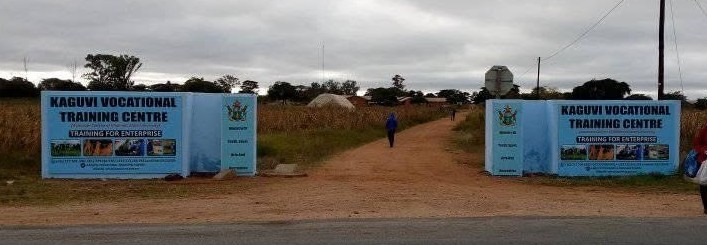
Kaguvi VTC Horticulture Project.

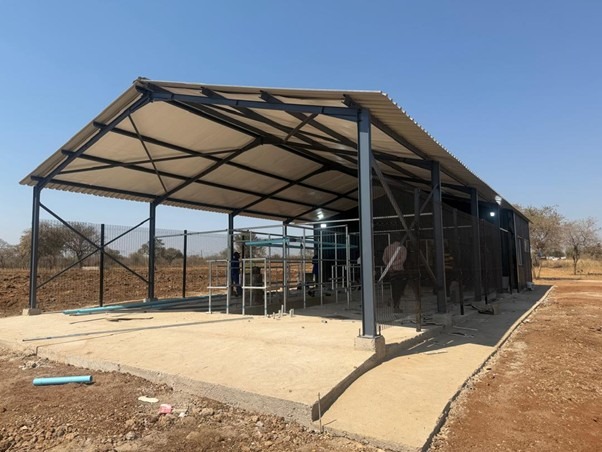
The Skills for Youth and Women Employability and Productivity (SYWEP) Project is being implemented by the Ministry of Youth Empowerment, Development and Vocational Training with financial support from the African Development Bank (AfDB) and technical implementation support from the International Labour Organization (ILO). The project focuses on three priority value chains, one of which is horticulture, to be implemented at Kaguvi Vocational Training Centre (VTC). Good progress has been recorded in establishing the horticulture project. The foundation works for the 100 000 litre water tank have been successfully completed, and the site is now ready for the concrete pouring stage. Once completed, the water tank will enhance the project's irrigation capacity, ensuring a reliable water supply to support year-round horticultural production.

Project

Mutoko Young Farmers Peas Cluster

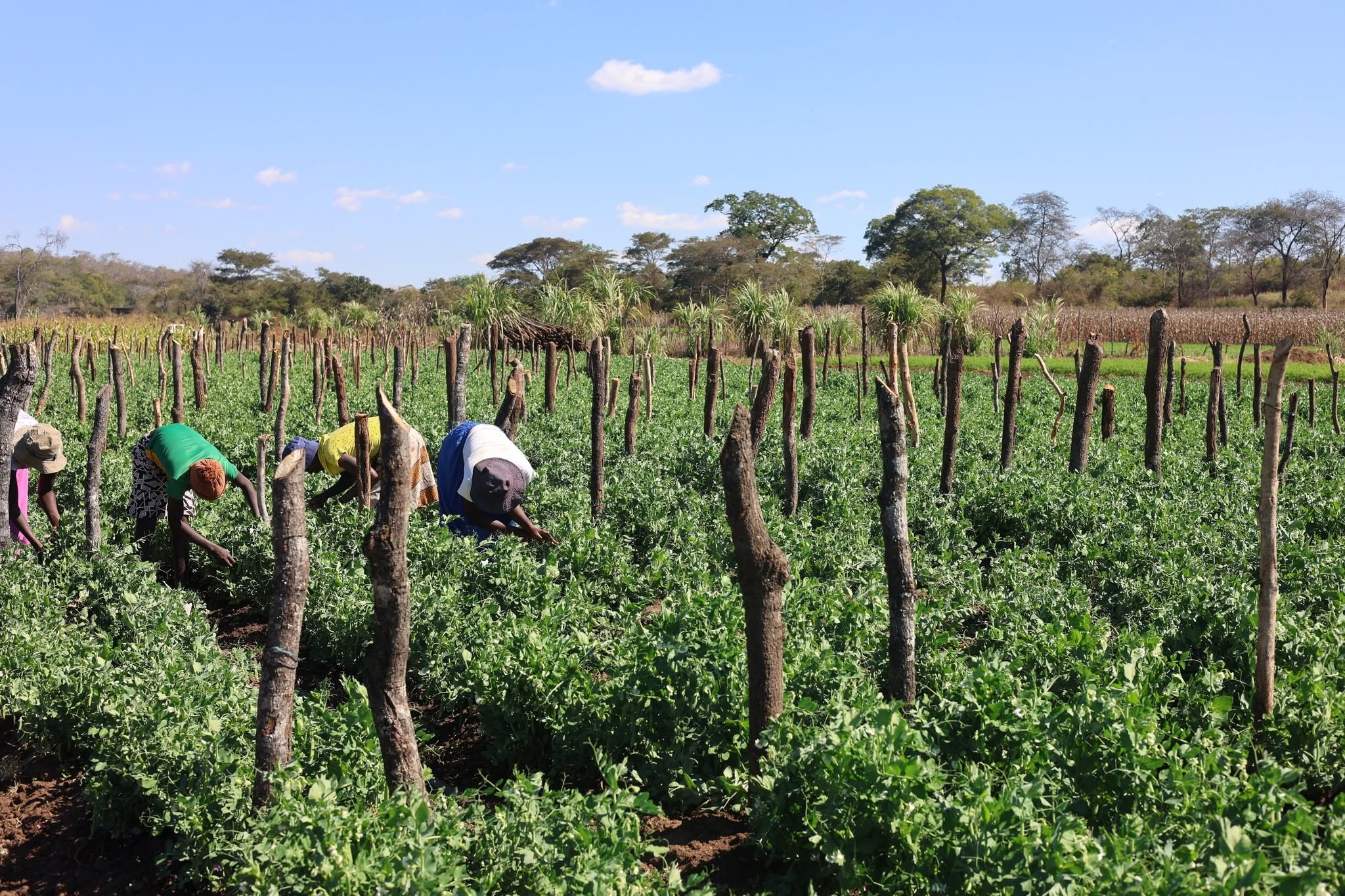
The Ministry in partnership with ZimTrade, continues to promote youth-led agricultural transformation through the establishment of a peas production cluster in Mutoko District. The initiative is centred at Tabudirira Vocational Training Centre (VTC), which serves as the cluster’s aggregation and coordination hub. The programme was introduced to empower young farmers through commercial peas production, enabling them to participate in high-value agricultural value chains while creating sustainable livelihoods and income-generating opportunities. Through the cluster model, young farmers are benefiting from improved access to technical support, practical training, market linkages and shared production resources. To support the initiative, Tabudirira VTC established a half-hectare demonstration plot dedicated to peas production. The plot serves as a practical learning platform where young farmers are exposed to recommended agronomic practices and modern farming techniques aimed at improving productivity and profitability. The cluster comprises six young farmers operating within the Tabudirira area. At Chitora 2 Irrigation Scheme, four young farmers jointly cultivated 1.2 hectares of peas and have already commenced harvesting. The crop is expected to yield approximately 10 tonnes this season, reflecting the success of the young farmers' efforts and the effectiveness of the cluster approach. In addition, two other young farmers each established one hectare of peas, further increasing the cluster’s production capacity. Collectively, the six young farmers have cultivated three hectares of peas, with total production projected to reach approximately 18 tonnes during the current season. The anticipated harvest demonstrates the potential of youth participation in commercial agriculture and highlights the capacity of young people to contribute meaningfully to food security, economic growth and rural development. Through access to training, markets and production support, the young farmers are transitioning from subsistence farming to commercially oriented agricultural enterprises. The Mutoko peas cluster further showcases the evolving role of Vocational Training Centres in empowering young people and driving community development. Beyond skills training, centres such as Tabudirira VTC are becoming incubation hubs for entrepreneurship, innovation and agricultural production. Through strategic partnerships and practical empowerment programmes, the Ministry remains committed to equipping young people with the skills, resources and opportunities needed to participate actively in Zimbabwe's economic development agenda.

Project

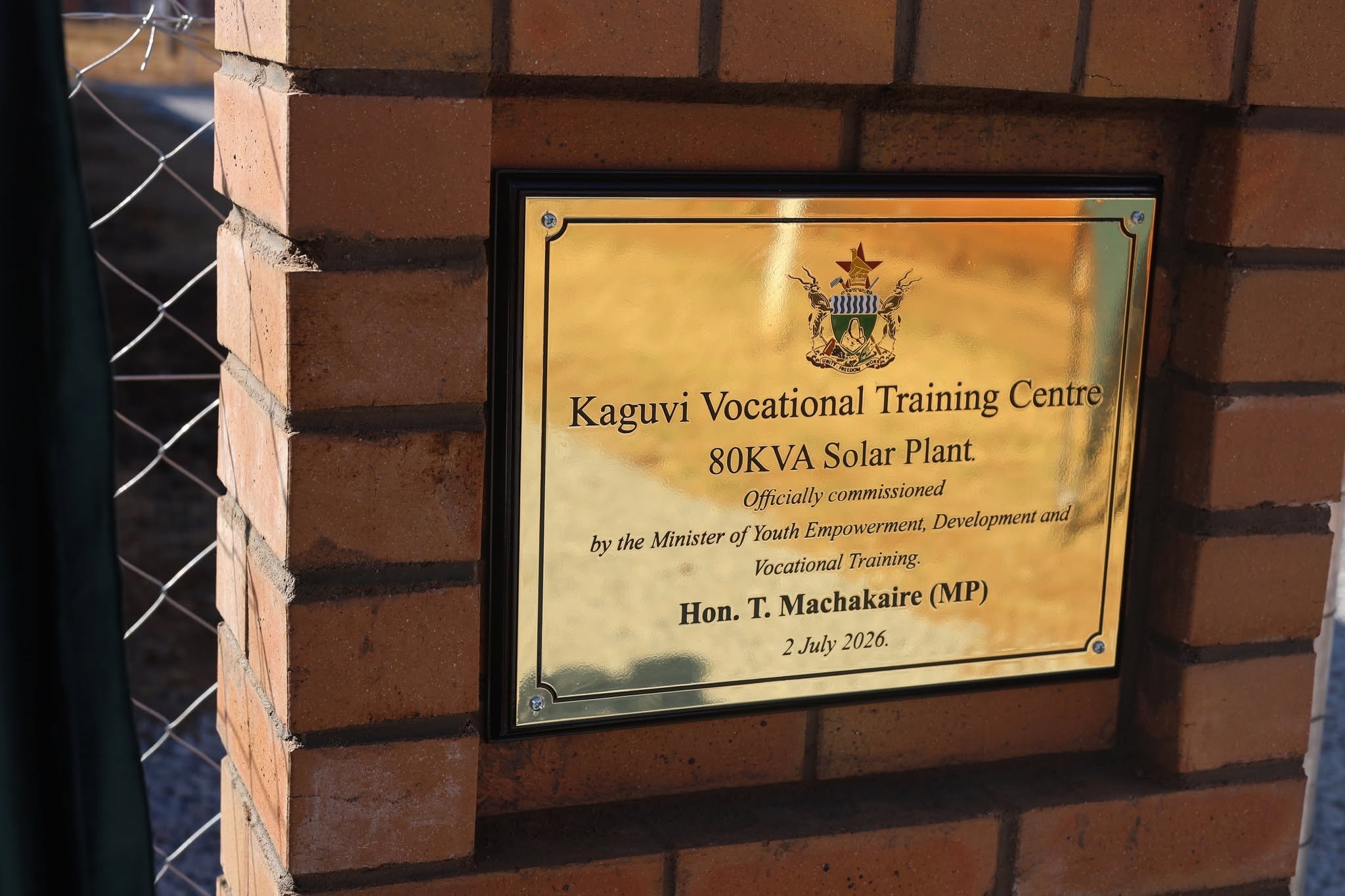
Kaguvi VTC 80kVA Solar Power Plant.

Kaguvi Vocational Training Centre (VTC) commissioned an 80kVA solar power plant in the Midlands Province to improve practical training, reduce electricity costs, and host national events. The US$61,000 renewable energy project was funded through a US$58,500 EmpowerBank loan, with an additional US$2,500 used for security fencing. The solar facility was officially commissioned on July 2, 2026, by the Minister of Youth Empowerment, Development and Vocational Training, Hon. Tino Machakaire. It stands as the largest solar installation at any VTC in the Midlands Province, allowing the institution to transition toward affordable and sustainable energy.

Project

Emmerson Dambudzo Mnangagwa Youth Service and Vocational Training Centre-Igava

President E.D Mnangagwa presided over the ground breaking ceremony of the Emmerson Dambudzo Mnangagwa Youth Service and Vocational Training Centre at Igava in Marondera. The facility serves as a model for modern youth training centres. It combines technical skills development with practical rural enterprise, showcasing the government's strategy to turn training centers into economic hubs. The Igava facility features upgraded infrastructure alongside a dedicated Village Business Unit equipped with solar-powered borehole technology, drip irrigation, and fishponds. Designed to offer hands-on training in trades such as agriculture, technical crafts, and entrepreneurship, the centre empowers rural youth with industry-relevant qualifications. By equipping young people to build sustainable livelihoods, the Igava centre supports Zimbabwe’s broader Vision 2030 objectives for inclusive economic development.

Project

Joshua Mqabuko Nyongolo Nkomo National Youth Service and Vocational Training Centre

The Joshua Mqabuko Nyongolo Nkomo National Youth Service and Vocational Training Centre, located near St. Joseph's in Kezi (Matobo District), is a major government project designed to honor the legacy of the late Vice President and "Father Zimbabwe," Dr. Joshua Nkomo. Situated in his ancestral home area, the multimillion-dollar facility was established to decentralize education and bring technical and vocational training directly to rural communities in Matabeleland South. The centre integrates practical technical skills training with the National Youth Service program. Learners receive hands-on instruction in trades such as carpentry, building, welding, and entrepreneurship, alongside civic and national service education. This dual approach aims to foster discipline, civic responsibility, and self-reliance, equipping young Zimbabweans with industry-relevant skills to build sustainable livelihoods or launch their own enterprises. Featuring modern infrastructure—including classroom blocks, technical workshops, administrative blocks, student hostels, and support facilities—the institution serves as a crucial hub for youth empowerment. By creating local opportunities for skills development and employment, the centre aligns with national development goals (Vision 2030) to reduce rural-urban disparities and promote sustainable economic growth throughout the region.

LATEST UPDATES

News

YSZ Graduate Trainees Support Repatriation at Beitbridge. Update
July 24, 2026

YSZ Graduate Trainees Support Repatriation at Beitbridge.

Youth Service Zimbabwe (YSZ) graduate trainees are providing assistance at the Beitbridge Border Reception Centre for individuals returning to Zimbabwe. This support forms part of the Repatriation Programme and aims to ensure a smooth, safe, and well-coordinated reception process. The YSZ graduate trainees are working alongside relevant officials and partner teams to carry out various duties during the programme. Their duties include offering assistance to returning persons, supporting reception and orientation, assisting with documentation and coordination where required, and promoting order and effective service delivery at the reception point. In addition, the Ministry has an information desk at the border entry point, where young people can access information about the Ministry and its programmes. Registration is also open for empowerment opportunities.

Read More
Government fast-tracks reintegration of youth returnees. Update
July 24, 2026

Government fast-tracks reintegration of youth returnees.

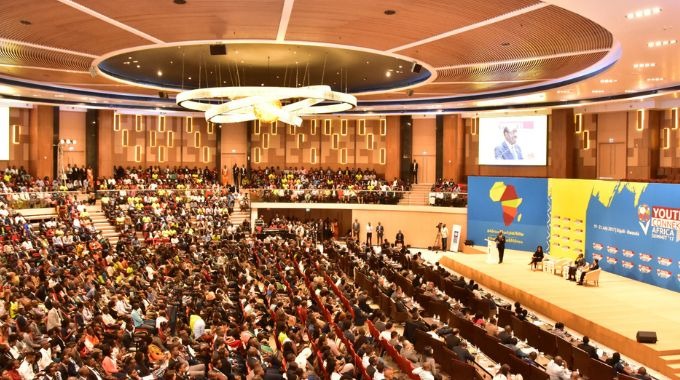
Ray Bande Senior Reporter THE Government is carrying out a registration and training needs assessment for young Zimbabweans returning from South Africa as part of efforts to facilitate their reintegration and link them to youth empowerment opportunities across the country. Permanent Secretary in the Ministry of Youth Empowerment, Development and Vocational Training, Mr Solomon Mhlanga, revealed this on the sidelines of the ministry’s senior management workshop held in Mutare last Friday. Mr Mhlanga said the exercise was designed to identify the skills, qualifications and support needs of returning youths so that they can be effectively incorporated into existing Government programmes aimed at enhancing livelihoods and economic participation. “Currently, the registration and training needs analysis is being undertaken as youth returnees enter the country. “The ministry has recognised the importance of reintegrating young Zimbabweans returning from South Africa, and is doing so through existing youth empowerment programmes,” he said. He explained that returning youths are eligible to participate in the same development and empowerment initiatives available to other young Zimbabweans, provided they satisfy the relevant criteria. “Young returnees are generally eligible to participate in the same youth programmes as their local counterparts, subject to meeting the prescribed requirements,” said Mr Mhlanga. Among the programmes available are the Youth Service in Zimbabwe, vocational skills training and access to funding for youth-led enterprises. Mr Mhlanga said participation in the Youth Service programme will help returning youths reconnect with their communities while creating valuable social and professional networks. He added that the country’s vocational training centres offer opportunities for returnees to acquire new skills or upgrade existing competencies, thereby improving their prospects for employment or self-employment. “Eligible young returnees with viable business proposals can also access support through the Youth Empowerment Fund to establish or expand income-generating projects and facilitate their economic reintegration,” he said. Meanwhile, Zimbabwe is preparing a bid to host the 2027 YouthConnekt Africa Summit, one of the continent’s premier youth development platforms. Mr Mhlanga said the proposed bid reflects Zimbabwe’s growing commitment to youth empowerment and its readiness to host a major continental gathering dedicated to entrepreneurship, innovation, skills development and employment creation. YouthConnekt Africa was launched by the Government of Rwanda in 2012, and has since evolved into a continent-wide initiative supported by the African Union, the United Nations Development Programme (UNDP), development partners and African governments. The platform connects young people to economic opportunities, innovation ecosystems, entrepreneurship support, mentorship programmes, financial inclusion initiatives and policy dialogue forums. Its flagship event, the YouthConnekt Africa Summit, brings together youth leaders, entrepreneurs, policymakers, investors, development partners, academics and private sector players from across Africa. The annual summit provides a platform for showcasing innovation, sharing best practices, forging partnerships and advancing youth-centred development policies. “Zimbabwe has been an active participant in YouthConnekt Africa initiatives and has consistently demonstrated its commitment to youth empowerment. Government continues to implement various programmes guided by the Constitution, Vision 2030, National Development Strategy (NDS2), the National Youth Policy (2026-2030) and the National Youth Empowerment Strategy (2026-2030),” said Mr Mhlanga. He said hosting the summit will provide Zimbabwe with a valuable opportunity to showcase its youth development achievements while strengthening regional and continental cooperation. Read more on: www.herald.co.zw Since 2024, the YouthConnekt Africa Secretariat has adopted a competitive bidding process for selecting host nations, a move intended to promote transparency and fairness. Mr Mhlanga said hosting the 2027 summit will position Zimbabwe as a continental leader in youth empowerment, entrepreneurship, innovation and skills development. The event is expected to attract more than 6 000 delegates from across Africa and beyond, including Heads of State and Government, ministers responsible for youth affairs, development partners, investors, academics and young entrepreneurs. “Hosting the summit will stimulate economic activity through increased demand in tourism, hospitality, transport, trade and other service sectors associated with a major continental event,” he said. He added that the summit will enhance Zimbabwe’s international profile while strengthening diplomatic and development cooperation with other African countries and development partners. Mr Mhlanga said the gathering aligns with Government priorities under NDS2, particularly in areas such as youth empowerment, entrepreneurship, job creation, the creative economy, sport and culture. The summit will also create significant opportunities for local young people by connecting them to continental and international networks. Participants will be able to engage potential investors, showcase youth-led businesses and innovations, access mentorship and business development support, and strengthen their participation in regional value chains under the African Continental Free Trade Area (AfCFTA). Mr Mhlanga said hosting the Summit will accelerate the implementation of the National Youth Policy (2026-2030) by attracting investment into youth-led enterprises and creating greater visibility for the country’s flagship empowerment programmes. “Hosting the YouthConnekt Africa Summit 2027 presents a strategic opportunity for Zimbabwe to promote tourism, strengthen its international image, attract investment, deepen continental partnerships and demonstrate its commitment to youth empowerment while contributing towards the attainment of Vision 2030,” he said.

Read More
Junior Parliament celebrates over three decades of youth engagement, advocacy. Update
July 22, 2026

Junior Parliament celebrates over three decades of youth engagement, advocacy.

ZIMBABWE’s Junior Parliament has become a significant force having gone far beyond legislative engagement in combating pressing social issues such as drug and substance abuse, an official has said. Aritifical Inteligence usesAritifical Inteligence uses This is because the young parliamentarians are regarded as opinion leaders within their communities and schools, capable of influencing behavioural change among their peers through various projects and advocacy initiatives. In a statement, the Ministry of Youth Empowerment, Development and Vocational Training director of communication and advocacy Mr Ranson Madzamba says Junior Parliament addresses various social ills affecting young people. He said Zimbabwe Junior Parliament Session and commemoration of the Day of the African Child are set to be held at the new Parliament building on Wednesday. The two events are expected to bring together young people, policymakers, development partners, community leaders, civil society organisations and other stakeholders. “Junior Parliament aims to address a range of issues affecting the youth, offering a space where their voices can be heard and their concerns can influence policy decisions. As one senior member remarked, “Anything for the youths without the youths is not for the youths,” emphasising the importance of youth participation in matters that directly impact their lives,” he said. Since its establishment in 1991, the Junior Parliament of Zimbabwe has played a vital role in empowering young people across the nation to participate actively in shaping their future. Serving as a replica of the national Parliament, this platform provides a unique avenue for youth involvement in governance, community issues and national development. This initiative aligns with several national and international frameworks, including Zimbabwe’s Constitution, the National Youth Policy 2020-25, the United Nations Convention on the Rights of the Child, and the African Charter on the Rights and Welfare of the Child. It enables representatives from all 210 constituencies to share their thoughts, experiences, and ideas with Government officials, fostering a culture of inclusivity and responsiveness. Mr Madzamba said the platform also invites stakeholders including Government agencies, non-governmental organisations and international partners to reflect on investments in children’s rights and well-being. It presents a crucial opportunity to evaluate progress made and identify the challenges that remain in ensuring young people’s rights are fully realised in Zimbabwe. He said Junior Parliamentarians are tasked with bringing forward youth concerns, participating in policy development and spearheading community projects aimed at addressing children’s issues. They’re also instrumental in raising awareness, conducting education programmes and establishing clubs that promote leadership and social responsibility. In the same vein, he said the Significance of the Day of the African Child cannot be over emphasised. “June 16 holds special significance for Africans, commemorating the brave students of Soweto who, in 1976, lost their lives protesting against racial discrimination and poor education standards. Over 700 children were massacred during the Soweto uprising, symbolising the fight for quality education and equality. “In Zimbabwe’s history, the sacrifices of young people include the tragic loss of over 6,000 women and children at Chimoio in 1977 and 1,028 lives at Nyadzonia in 1976. These young heroes and heroines fought tirelessly for a free, democratic Zimbabwe where liberty, fraternity and equality prevail. The Day of the African Child honours their memory and calls for ongoing commitment to address the challenges facing children across the continent,” he said. The Day of the African Child seeks to advocate and lobby for children and young people’s rights, promote child-friendly budgeting and resource allocation and to also enhance leadership skills among children and young people. Mr Madzamba said as Zimbabwe continues to nurture its young leaders through platforms like the Junior Parliament, the nation reaffirms its dedication to creating a supportive environment where youth can thrive, participate and lead. The also day serves as a reminder of the sacrifices made and the vital importance of safeguarding the rights and futures of Africa’s children.

Read More
View All News